
mental health is something we all struggle with at some point in our life’s. some times you feel that you might not make it through.
One of the biggest obstacles to addressing mental health issues is the persistent stigma attached to it. Society has long held onto stereotypes and misconceptions about mental health, making it difficult for individuals to open up about their struggles. The first step in overcoming this hurdle is recognizing that seeking help is a sign of strength, not weakness.
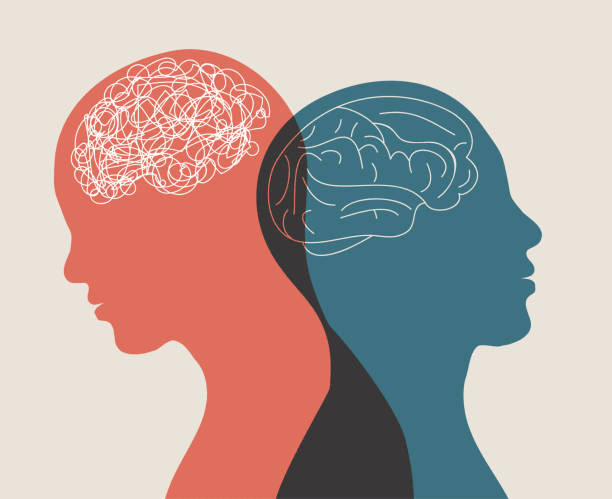
Loneliness and Isolation
Mental health struggles can be incredibly isolating. Many individuals feel alone in their experiences, even when surrounded by friends and family. Overcoming this isolation often requires reaching out for support. Whether it’s through therapy, support groups, or even just confiding in a trusted friend, connecting with others who have faced similar challenges can provide a tremendous sense of relief
Anxiety disorders can play apart in that loneliness, such as generalized anxiety disorder, social anxiety, and panic disorder, are incredibly common. This can effect people from living their best life. Living with anxiety can feel like carrying a heavy burden, making every task and decision seem daunting. Coping strategies like mindfulness, meditation, and professional therapy can help individuals better manage their anxiety.
The Dark Cloud of Depression
Depression is another prevalent mental health struggle. It can take an individual’s energy, motivation, and joy, making daily life a significant challenge and makes you feel as if you are being controlled. Combating depression often involves a combination of therapy, medication, and lifestyle changes. It’s important to seek help early to prevent the downward spiral that can accompany untreated depression.
In addition to depression, many people with mental health issues experience self-stigma. This involves internalizing the negative beliefs and judgments associated with their condition. Combating self-stigma is a crucial part of the journey, as it can prevent individuals from seeking the help they need. Learning self-compassion and challenging negative self-talk can be empowering steps forward.
Finding the Right Treatment
The journey to better mental health often involves a combination of treatments, which can be overwhelming. Finding the right therapist, medication, or coping strategies may take time and experimentation. Remember that what works for one person might not work for another, and it’s essential to stay patient and persistent in your quest for better mental health.
Sometimes, the best course of action is to seek professional help. Mental health professionals, such as therapists, counselors, and psychiatrists, are trained to provide guidance, support, and treatment. Recognizing when to seek professional help is a significant step towards healing.
Coping with Setbacks
Mental health is not a linear journey; setbacks are common. Individuals may experience periods of remission and relapse. It’s important to recognize that setbacks are a part of the process and not a sign of failure. Developing resilience and a support network can help individuals weather these storms.
Life’s struggles are a part of the human experience, and mental health challenges are no exception. By opening up about these struggles, seeking support, and breaking down the barriers of stigma, we can all work together to create a world where mental health is treated with the same importance as physical health. Remember, you are not alone in your journey, and there is hope and help available to navigate life’s stormy waters.


Leave a comment