
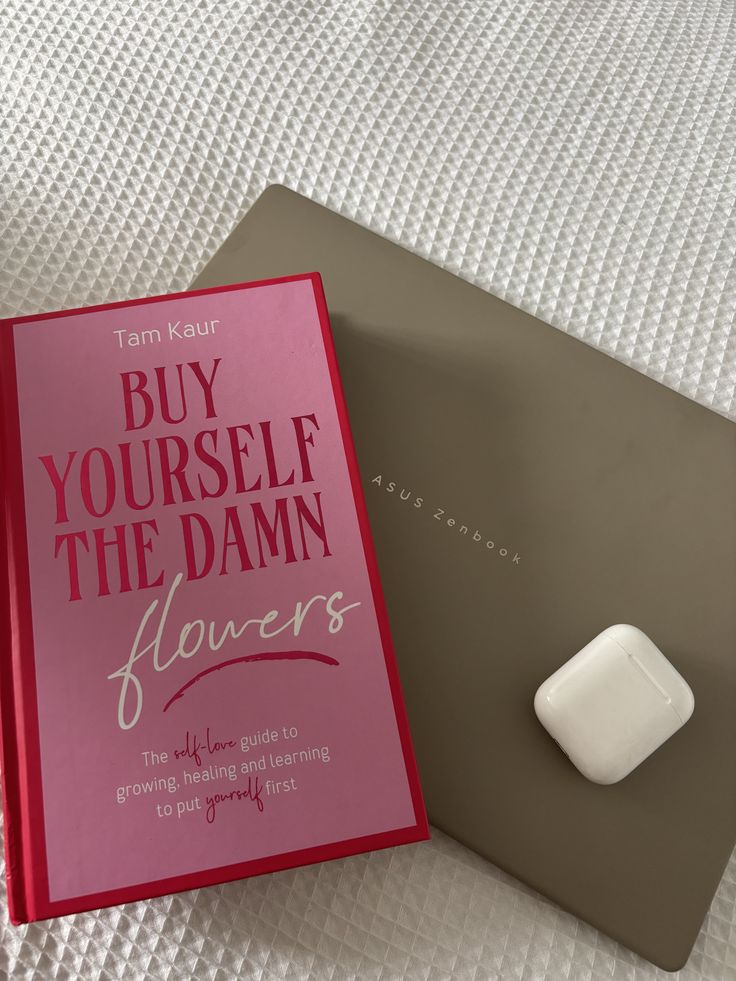
Dear Universe…
I don’t know why this emotion hit me the way it did.
It started when I overheard my sister talking about travelling her voice full of excitement, like life was a holiday brochure. She was dreaming big, planning adventures, living without hesitation.
And suddenly… I felt a wave of anger.
I used to want that too. The idea of hopping on a plane, seeing the world, proving everyone wrong. My secret goal? To make more money than anyone in my hometown so they’d regret ever making me feel unwelcome.
But now I see it for what it was. That wasn’t ambition that was trauma wearing ambition’s clothes. It was pain disguised as drive.
When Healing Becomes Your Whole Life
I envy my sister sometimes. She’s going with the flow, planning, looking forward.
I’ve never had that kind of mental space.
My teenage years were consumed by healing. Not the pretty kind you see on social media the exhausting kind no one talks about.
Trauma counsellors.
Trying to re-learn how to walk, balance, and exist after my brain injury flipped my life upside down.
While other girls my age were figuring out friendships and crushes, I was figuring out how to keep going when my mind felt like a battlefield.
The Girl I Invented
I never felt safe to “just be a girl.” I was always too sensible, too serious for my age. I didn’t drink. I didn’t party. I thought I was “too different” for my hometown.
I wore confidence like a costume, telling myself fake it until you make it. People in college called me “secure” and “confident,” but the truth was I was surviving, not thriving.
I wasn’t Morgan Thain anymore. I was a girl I invented from scratch. No blueprint. No guide. Just fragments of who I used to be, stitched together with resilience and hope.
The Cost of Resilience
Trauma changes your brain.
It forces you to mature before you’re ready. It rewires your thoughts so that survival becomes your default setting.
Did I think I wasn’t enough? Yes.
Did I believe I had to be strong? Yes.
Was I strong every single day? I had no choice.
And while the world applauded my “strength,” they didn’t see the price I paid for it.
Three Weeks Ago…
Just weeks ago, I was riding a wave of success published in newspapers, featured by charities, interviewed on radio.
People clapped for my achievements.
But then came the doubt.
What if I chose the wrong path?
What if I never find my purpose?
What if I’ve been so focused on fitting in that I’ve trapped myself in a mould I don’t belong in?
Healing isn’t a straight road. Some days you’re unstoppable; other days, you feel like you’re back at square one.
The “What Ifs” Will Always Be There
Here’s the truth: none of us will ever know what might have happened if we’d taken a different path.
If I’d travelled instead of healing, I’d be a different Morgan. But would I be a better one? I’ll never know.
What I do know is this: I am Morgan Thain Miller founder of Makia, survivor of a brain injury, a woman who built herself from the ground up.
I’ve been published. I’ve been on the radio. I’ve turned pain into purpose.
Maybe that was the right path all along.
I’ve met people whose entire early twenties are about freedom travelling across the world, meeting strangers, making impulsive decisions.
And I’ve met people like me, who spent those years in counsellors’ offices, and in quiet bedrooms wondering how life got so heavy so soon.
Both are valid.
Both are real.
And both shape who you become.
The “Go With the Flow” Type
I envy “go with the flow” people the ones who don’t need a plan, who trust the universe will catch them.
Some truly live in the present because they’ve never been taught not to. Others live that way because they’re running from something.
Travel, for example, can be an act of freedom… or an act of escape. I’ve met people who chase new cities the way others chase new therapists.
It’s not good or bad it’s just human.
The People Who Heal Silently
There’s another group entirely: the silent healers.
They don’t post their pain. They don’t talk about it over coffee. They just… carry it.
I’ve sat across from people who look fine but are barely holding it together. I’ve been that person too.
They’re the ones who smile at work, who remember your birthday, who seem “together” but they’ve been up at 3am crying into a pillow.
The Perspective Shift
When you start seeing life through this lens, you stop comparing.
The person travelling the world might be running from something.
The person at home healing might be building a life no one can see yet.
The confident person might be faking it until they make it.
The quiet one might be stronger than anyone realises.
It’s not about which path is “better” it’s about understanding that every path costs something.
Neuroplasticity: The Silent Sculptor
Most people think “healing” means “going back to how you were.”
Neuroscience disagrees.
When your brain is injured, or when it’s been under constant stress, it doesn’t “fix” itself, it adapts. This is called neuroplasticity the brain’s ability to reorganise itself by forming new neural pathways.
The catch?
It doesn’t rebuild in a vacuum.
It rebuilds based on what it thinks you need to survive.
So if your teenage years were spent in hypervigilance scanning for danger, learning to control your emotions, holding yourself together for everyone else those pathways become your default operating system.
Survival Mode Becomes Personality
This is why people say trauma “matures” you. It’s not emotional maturity, it’s neurological reprogramming.
The amygdala, your brain’s fear centre, becomes overactive.
The prefrontal cortex, responsible for planning and decision-making, learns to prioritise threat-avoidance over joy.
The hippocampus, your memory centre, starts filing away moments differently some sharp and vivid, others lost in fog.
When you spend years in that state, you stop being who you were and start performing who you think you need to be.
Confidence? A learned behaviour.
Strength? A survival tactic.
Independence? A necessity, not a choice.
Why You Feel “Different” From Everyone Else
If you’ve ever felt like you’re watching life happen from behind a glass wall, there’s a reason.
Your brain has been primed for self-protection, not self-expression.
The friends who can “just book a trip” aren’t wired the same way anymore, not because they are broken, but because the brain is specialised.
Specialised in surviving.
Specialised in anticipating.
Specialised in carrying weights other people never even see.
and maybe that’s you.
The Beautiful, Painful Truth
Here’s the thing: neuroplasticity is a double-edged sword.
The same process that made you hyper-alert can make you creative, empathetic, and unbelievably resilient.
The same brain that built walls can also build bridges but it needs to be shown how.
Every time you choose therapy over suppression, connection over isolation, or rest over burnout, you’re literally rewiring your brain for a new reality.
You’re teaching your nervous system that safety exists.
You’re giving your amygdala a break.
You’re telling your hippocampus: this memory is worth keeping.
You’re not “going back” to the old you. That’s not how brains work.
You’re becoming someone entirely new not by choice, maybe, but by design.
And maybe that’s the gift inside the pain:
Your brain has rebuilt itself for a life you haven’t even lived yet.
One that’s lighter, freer, and far more beautiful than the one before.
If You’re Reading This…
If you’ve ever felt like you missed out on “normal life” because you were too busy surviving you’re not alone.
Healing takes time.
It takes everything you have.
And it’s worth it.
Because the life you’re building even if it looks different from what you imagined
is yours.
Remember, it all starts with self love
-M

Leave a comment