
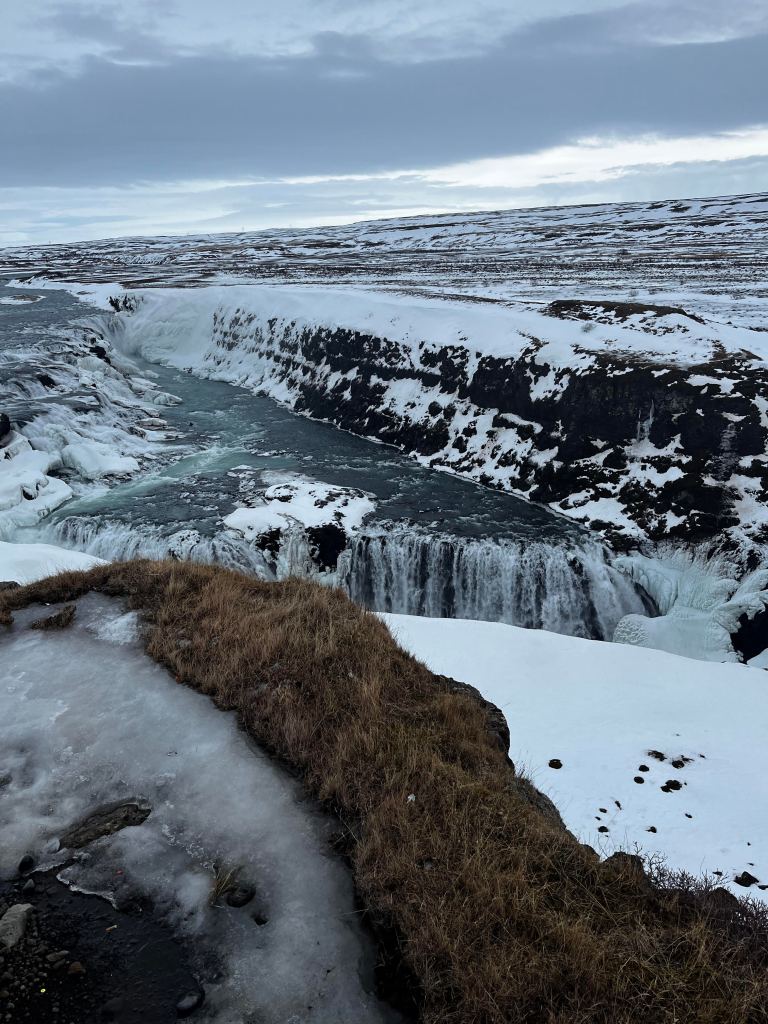
In a world that’s constantly moving, where every second seems to be accounted for by technology, work, and the endless to-do lists, the art of being present is often lost. This is particularly true when we travel, an activity that should be about exploring new places, immersing ourselves in different cultures, and taking time to disconnect. Yet, it’s easy to get caught up in the hustle of moving from one destination to the next, checking off must-see sights, and snapping photos for social media. In doing so, we often miss the essence of travel—the moments that could truly change us.
Mindful travel, however, offers a different approach. It’s about being fully present in each moment of your journey, appreciating every experience, and allowing travel to transform you in ways that are deeper and more lasting. In this blog post, we’ll explore what mindful travel is, why it’s important, and how you can practice it to enrich your travel experiences.
What is Mindful Travel?
Mindfulness is the practice of being fully aware and engaged in the present moment without judgment. It involves paying attention to your thoughts, feelings, and surroundings with a sense of curiosity and openness. When applied to travel, mindfulness encourages you to slow down, connect deeply with your environment, and experience your journey in a more meaningful way.
Mindful travel is not about ticking off a list of famous landmarks or rushing from one activity to another. It’s about savoring each experience, whether it’s a quiet moment in a café, a conversation with a local, or the sound of waves crashing on the shore. It’s about letting go of distractions and truly immersing yourself in the place you are visiting.
The Importance of Mindful Travel
Travel has the potential to be transformative, but only if we allow ourselves to be fully present. Here are some reasons why mindful travel is important:
- Deeper Connections: Mindful travel fosters a deeper connection with the places you visit and the people you meet. By being fully present, you are more likely to engage in meaningful interactions with locals, understand their culture, and appreciate their way of life.
- Enhanced Experiences: When you are mindful, you notice the small details that make a place unique—the scent of spices in a market, the texture of ancient walls, the sound of a language you don’t understand but find beautiful. These details can make your travel experience richer and more memorable.
- Reduced Stress: Travel can sometimes be stressful, especially when things don’t go as planned. Practicing mindfulness helps you stay calm and focused, making it easier to handle unexpected challenges. It allows you to go with the flow and embrace the unpredictability of travel.
- Personal Growth: Mindful travel can lead to significant personal growth. It encourages you to step out of your comfort zone, confront your fears, and develop a greater sense of self-awareness. By being present, you learn to appreciate the journey, not just the destination.
How to Practice Mindful Travel
Mindful travel is a practice that anyone can adopt, regardless of where they are or how they travel. Here are some practical tips to help you stay present and appreciate every moment of your journey:
1. Slow Down and Simplify
One of the biggest barriers to mindful travel is the tendency to rush. It’s easy to fall into the trap of trying to see and do as much as possible, but this often leads to burnout and a superficial experience. Instead, slow down and focus on quality over quantity.
Consider staying longer in one place rather than trying to visit multiple destinations in a short time. This allows you to explore at a more relaxed pace, giving you the time to fully immerse yourself in the local culture and environment. Simplify your itinerary by prioritizing experiences that truly resonate with you, and be okay with leaving some things undone. Remember, it’s not about how much you see, but how deeply you experience each place.
2. Engage Your Senses
Mindfulness is about engaging all your senses in the present moment. As you travel, take time to notice the sights, sounds, smells, tastes, and textures around you.
- Sight: Look beyond the obvious tourist attractions and take in the details— the colors of a sunset, the way light filters through trees, the expressions on people’s faces.
- Sound: Listen to the rhythm of the city, the calls of birds in a forest, or the gentle lapping of waves. Pay attention to the sounds that define the place you are in.
- Smell: Inhale deeply and notice the scents around you, whether it’s the aroma of street food, the fragrance of flowers in a garden, or the fresh air after a rainstorm.
- Taste: Be mindful when you eat. Savor the flavors of local cuisine, noticing the spices, textures, and how the food makes you feel.
- Touch: Feel the texture of the sand between your toes, the coolness of a stone wall, or the warmth of the sun on your skin.
By consciously engaging your senses, you anchor yourself in the present moment, making your travel experiences more vivid and memorable.
3. Disconnect to Reconnect
In today’s digital age, it’s easy to be physically present in one place but mentally somewhere else—checking emails, scrolling through social media, or planning the next activity. To practice mindful travel, it’s essential to disconnect from technology and reconnect with your surroundings.
Set boundaries with your devices by allocating specific times for checking your phone or using the internet. Consider going offline for a day or two to fully immerse yourself in the experience. When you’re not glued to a screen, you’ll find it easier to engage with the environment, meet new people, and truly be in the moment.
4. Embrace the Unplanned
Travel rarely goes exactly as planned, and that’s okay. Instead of stressing over changes or disruptions, embrace the unexpected as part of your journey. Mindful travel is about accepting each moment as it comes, without clinging to expectations.
When something doesn’t go as planned, take a deep breath and remind yourself that these moments often lead to the most memorable experiences. A missed bus might lead to a serendipitous encounter with a local, or a rainy day might offer the chance to explore a cozy café or museum you hadn’t planned to visit. By letting go of rigid expectations, you open yourself up to new opportunities and experiences.
5. Practice Gratitude
Gratitude is a powerful tool for mindfulness. When you focus on what you’re grateful for, you cultivate a positive mindset and become more aware of the good things around you. As you travel, make it a habit to express gratitude for the experiences you’re having.
Start or end each day by reflecting on what you’re thankful for—the people you’ve met, the beauty of the landscape, the delicious meal you enjoyed, or the simple fact that you have the opportunity to travel. You might keep a travel journal where you jot down these moments of gratitude, helping you to remember and cherish them long after your journey ends.
6. Be Present in Conversations
One of the most enriching aspects of travel is meeting new people and hearing their stories. Whether it’s a fellow traveler, a local guide, or a shop owner, these interactions can provide valuable insights into the culture and way of life of the place you’re visiting.
To practice mindful travel, be fully present in these conversations. Listen actively, without thinking about what you’ll say next or letting your mind wander. Show genuine interest in the other person’s story, and ask thoughtful questions. These moments of connection can be some of the most meaningful experiences of your trip.
7. Reflect and Integrate
Mindful travel doesn’t end when you return home. Take time to reflect on your experiences and integrate what you’ve learned into your everyday life. Consider how the trip has changed you—how it’s influenced your perspective, mindset, or habits.
You might continue the practice of mindfulness in your daily life, finding ways to stay present and appreciate the small moments. Perhaps the slower pace you enjoyed while traveling inspires you to simplify your schedule at home. Or maybe the gratitude you felt on your journey becomes a regular practice in your life.
By reflecting on your travel experiences and applying what you’ve learned, you ensure that the benefits of mindful travel extend far beyond your trip.
Conclusion: Embracing the Journey
Mindful travel is about more than just seeing new places; it’s about experiencing them fully and deeply. It’s a way to transform your travels from a series of fleeting moments into a journey that enriches your soul and broadens your perspective.
In a world where it’s easy to get caught up in the rush, practicing mindfulness while you travel allows you to slow down, savor each experience, and truly appreciate the beauty and diversity of the world around you. Whether you’re hiking through the mountains, wandering through a bustling city, or relaxing on a quiet beach, remember to stay present, engage your senses, and embrace each moment as it comes.
By doing so, you’ll not only create lasting memories but also cultivate a mindset that values presence, connection, and gratitude—both on the road and in everyday life.
Remember it all starts with self love
-M
If you liked this blog you will like:

Leave a comment