
Iceland is a land of striking contrasts and unparalleled natural beauty, where fire and ice coexist in a landscape that feels almost otherworldly. From the thundering waterfalls that cascade down sheer cliffs to the sprawling glaciers that carve their way through rugged terrain, Iceland’s natural wonders are both awe-inspiring and humbling. This island nation, shaped by volcanic forces and sculpted by glaciers, offers a breathtaking array of landscapes that beckon explorers, photographers, and nature enthusiasts alike.
In this guide, we’ll take you on a journey through some of Iceland’s most iconic natural wonders, from its majestic waterfalls to its icy glaciers, and beyond. Whether you’re planning your first trip or seeking to discover hidden gems of Iceland, these extraordinary sites showcase the raw beauty and power of nature like nowhere else on Earth. Join us as we explore the very best that Iceland has to offer, and prepare to be captivated by a land where nature reigns supreme.
Waterfalls
During the tours of Iceland both South tour and Golden circle, I discovered the beauty of the Icelandic waterfalls:
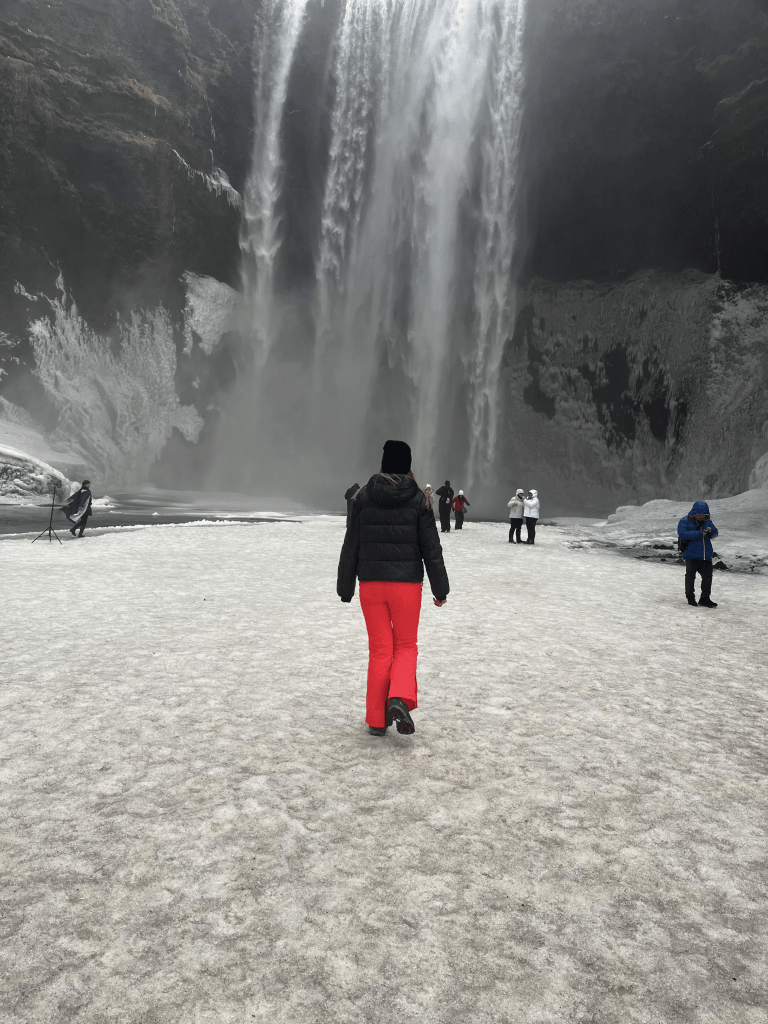
Skógafoss: Located along the southern coast of Iceland, Skógafoss is another of the country’s iconic waterfalls. With a drop of 60 meters and a width of 25 meters, Skógafoss is one of the largest waterfalls in Iceland. The waterfall’s mist often creates rainbows on sunny days, adding to the magical atmosphere. Visitors can view the waterfall from below or climb a steep staircase to a viewing platform at the top, offering stunning views of the surrounding landscape and the river that flows from the waterfall. Skógafoss is also the starting point of the popular Fimmvörðuháls hike, which takes you through a landscape dotted with numerous other waterfalls.
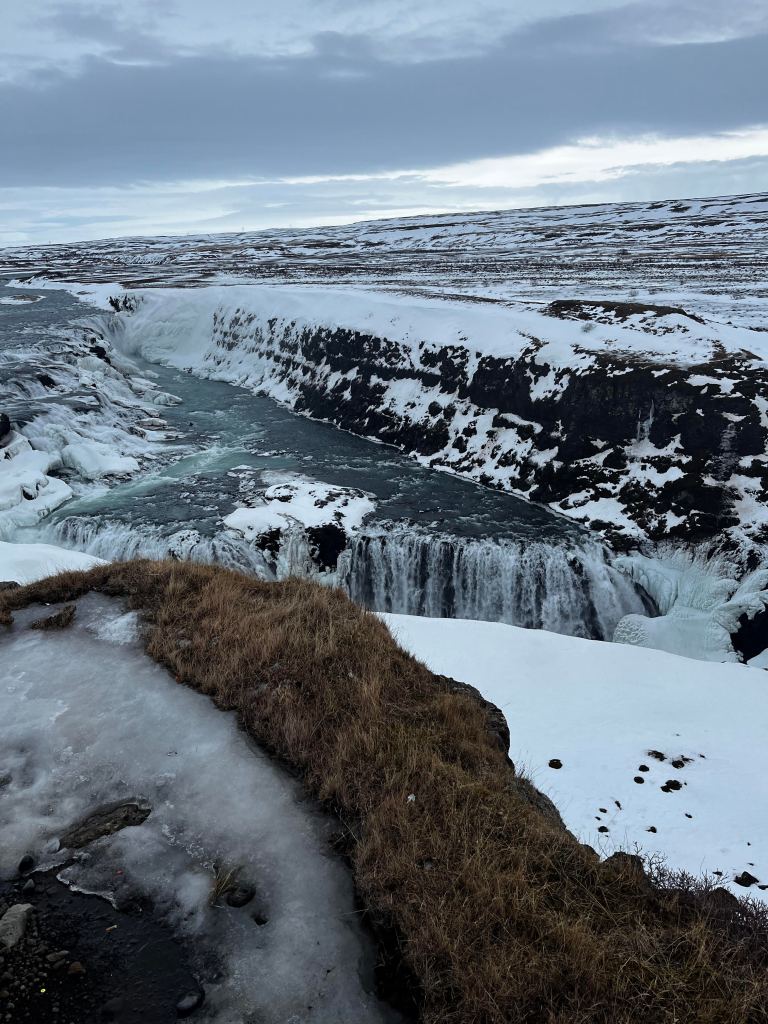
Gullfoss: One of Iceland’s most famous waterfalls, Gullfoss, or the “Golden Falls,” is a must-see for any visitor. Located in the Hvítá River canyon in southwest Iceland, Gullfoss is part of the popular Golden Circle route. The waterfall drops in two stages, with the first cascade plunging 11 meters and the second 21 meters into a narrow, rugged canyon. The sheer power and beauty of Gullfoss make it a breath taking sight, especially when viewed from the surrounding cliffs. In winter, the falls are often partially frozen, creating a surreal, icy landscape that contrasts sharply with the roaring water.
Glaciers
Glaciers are one of Iceland’s most defining features, covering about 11% of the country’s landmass. These massive ice sheets have been slowly carving and shaping the landscape for thousands of years, creating deep valleys, fjords, and other geological formations. The glaciers are not only a testament to Iceland’s icy past but also a vital part of its current environment, playing a crucial role in the island’s ecology and water systems. Visiting these glaciers offers a unique opportunity to witness the raw power of nature and the effects of climate change, as many of these glaciers are receding at an alarming rate.
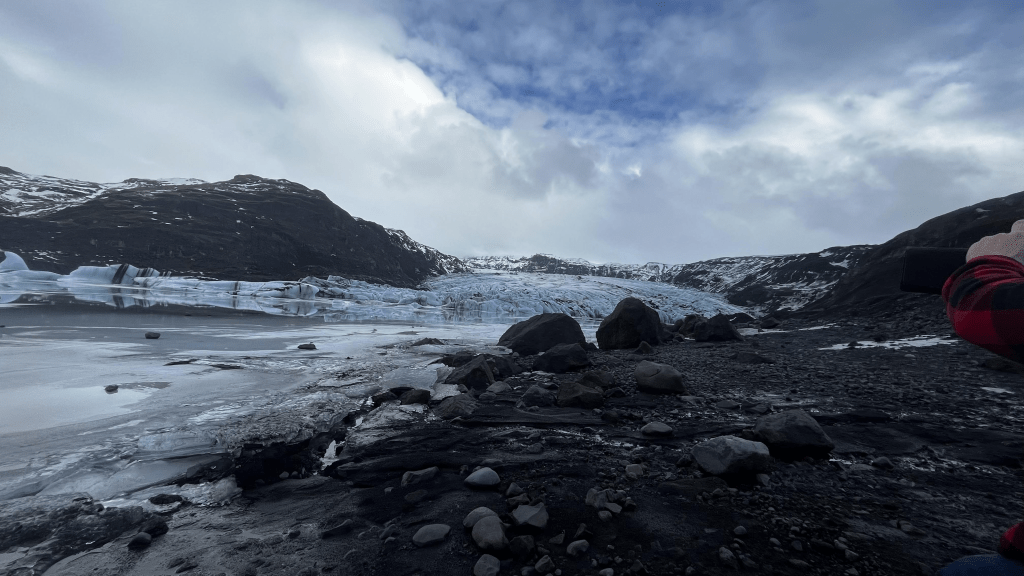
Sólheimajökull: Sólheimajökull is a glacier tongue extending from the larger Mýrdalsjökull glacier in southern Iceland. It is one of the most accessible glaciers in the country, making it a popular destination for glacier hikes. Walking on the glacier offers a chance to see the ice up close, with its crevasses, ice formations, and sometimes even volcanic ash from past eruptions. Guided tours are available for different skill levels, from easy walks to more challenging ice climbing adventures. The glacier is also a stark reminder of the impacts of climate change, as it has been rapidly retreating in recent years.
volcanoes and geothermal areas

Eyjafjallajökull: Eyjafjallajökull gained international fame in 2010 when its eruption caused widespread air travel disruptions across Europe. The eruption also had a dramatic impact on the local environment, with ash covering large areas of farmland and glaciers. Despite its notoriety, Eyjafjallajökull is a beautiful place to visit, with stunning views of the surrounding landscape and the nearby Skógafoss waterfall. The volcano is covered by a glacier, which adds to its unique appearance and appeal
Geothermal Areas
Iceland’s geothermal activity is another result of its volcanic nature, with hot springs, geysers, and mud pots scattered across the island. These geothermal areas are not only a source of natural beauty but also provide much of the country’s energy through geothermal power plants.
Geysir Geothermal Field
The Geysir Geothermal Field in southwest Iceland is home to the famous Strokkur geyser, which erupts every few minutes, sending a plume of hot water and steam up to 30 meters into the air. The area is named after the Great Geysir, one of the first geysers known to Europeans and the origin of the word “geyser.” Although the Great Geysir is now mostly dormant, Strokkur continues to delight visitors with its regular eruptions. The geothermal field is part of the Golden Circle route, making it a convenient stop for tourists exploring the area.
Other Attractions
Blue lagoon The Blue Lagoon is one of Iceland’s most iconic attractions, renowned for its milky-blue, mineral-rich geothermal waters. Located in a lava field near Reykjavik, the lagoon is fed by the output of the nearby Svartsengi geothermal power plant. The warm, soothing waters are rich in silica and sulphur, known for their therapeutic properties, making the Blue Lagoon a popular spot for relaxation and skincare. Surrounded by rugged volcanic landscapes, the lagoon offers a unique, otherworldly experience, enhanced by the availability of luxurious spa treatments and the picturesque setting of Iceland’s natural beauty.
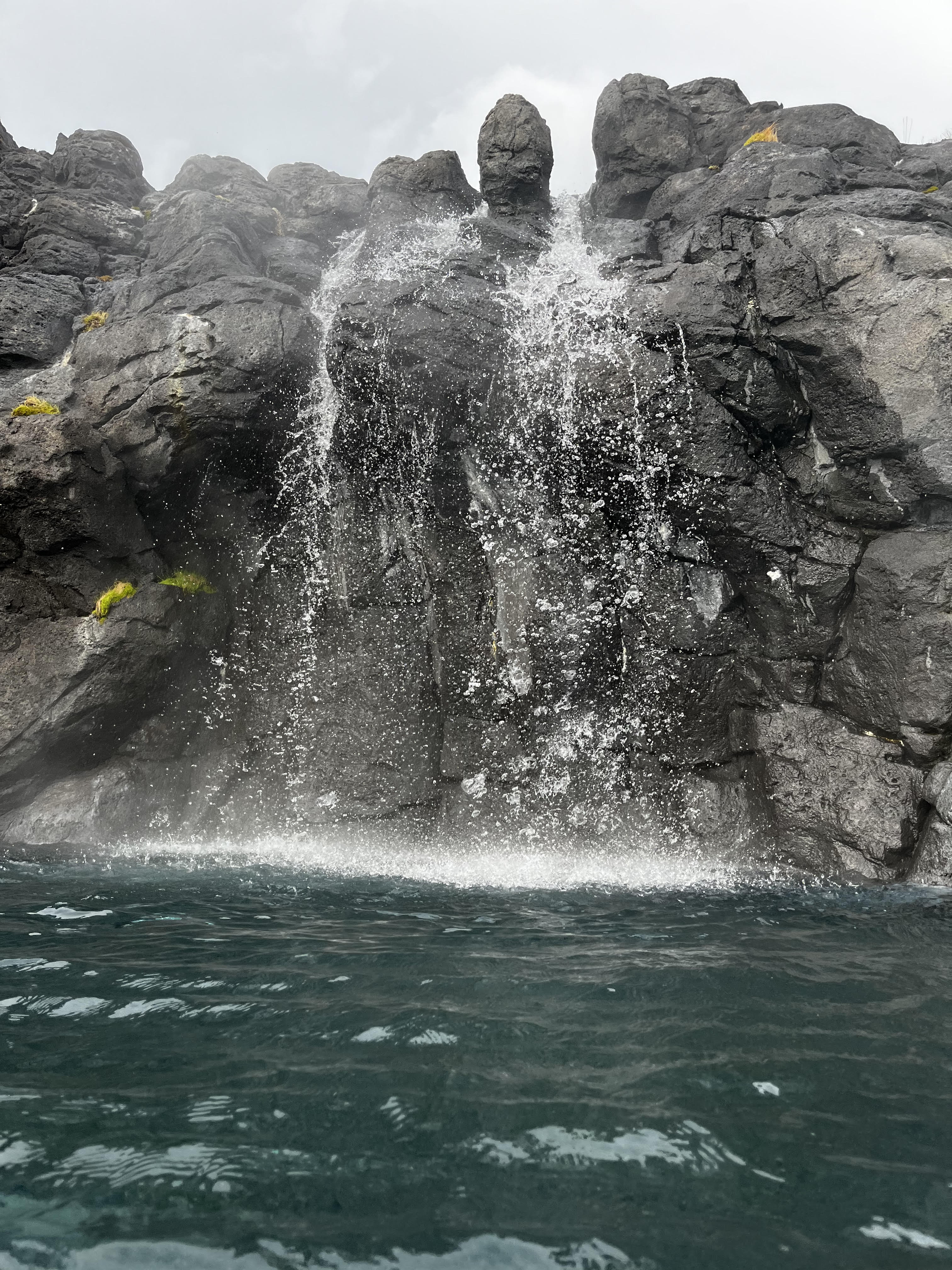
Sky lagoon The Sky Lagoon, located near Reykjavik, is a luxurious geothermal spa offering a serene escape with breath taking ocean views. Inspired by Icelandic bathing culture, the lagoon features an infinity-edge pool that seamlessly blends with the horizon, creating a feeling of being at the edge of the world. Visitors can indulge in the unique seven-step ritual, which includes a cold plunge, sauna, and body scrub, designed to rejuvenate the body and soul. The Sky Lagoon’s modern design, combined with its natural surroundings and panoramic views of the Atlantic Ocean, makes it a perfect spot for relaxation and tranquillity.

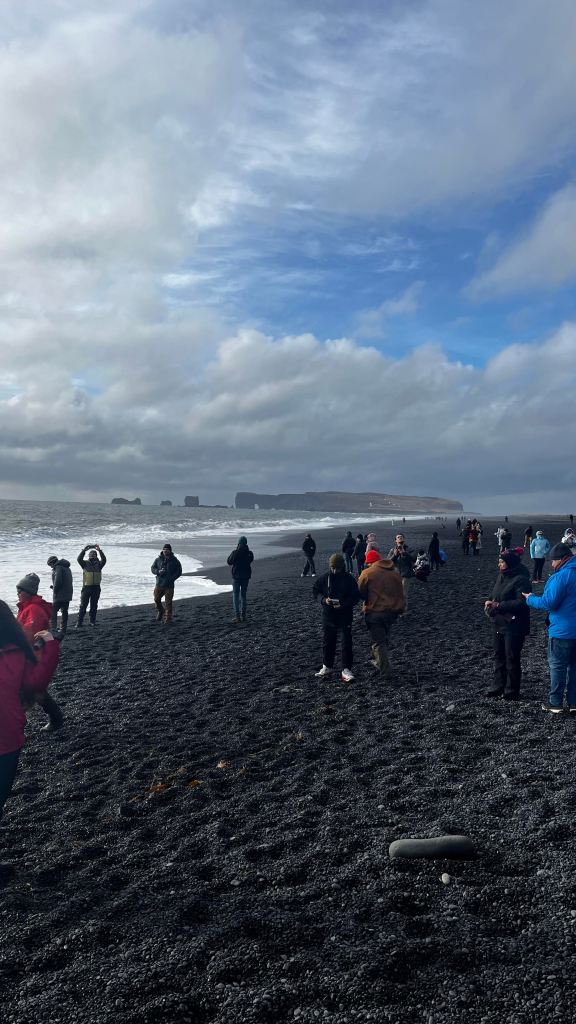
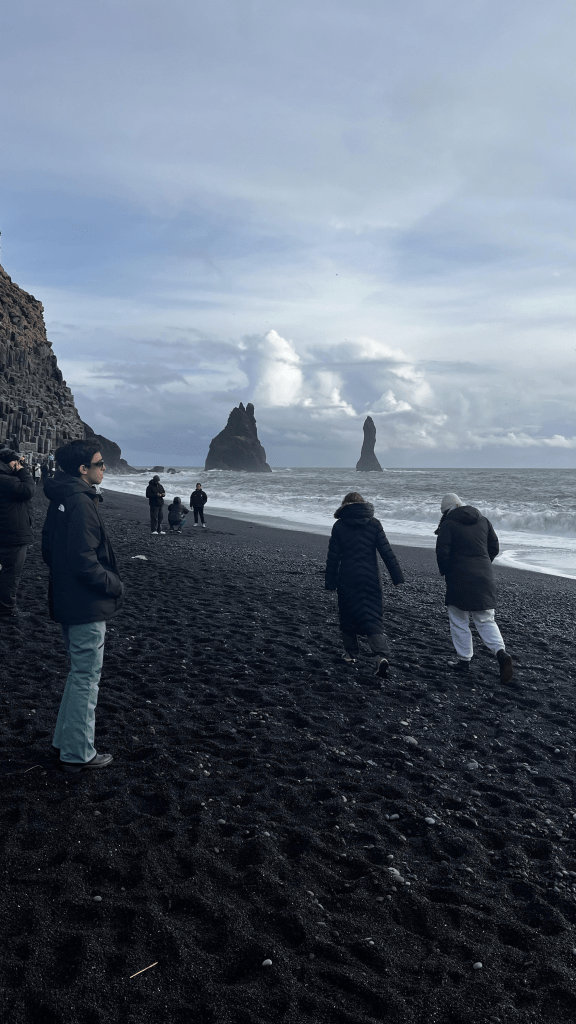
Black Sand Beach: Iceland’s Reynisfjara Black Sand Beach, located near the village of Vík on the south coast, is famous for its dramatic and hauntingly beautiful landscape. The beach is covered in smooth, jet-black volcanic sand, formed by the erosion of basalt lava over centuries. Towering basalt columns, known as Reynisdrangar, rise from the sea just offshore, adding to the beach’s otherworldly atmosphere. The powerful Atlantic waves crashing against the shore create a mesmerizing yet dangerous scene, making it important for visitors to admire from a safe distance. Reynisfjara is a must-visit for those captivated by Iceland’s raw, untamed beauty.
Stacks: The Reynisdrangar sea stacks are striking basalt rock formations rising dramatically from the ocean near Reynisfjara Black Sand Beach in Iceland. These towering pillars, shaped by centuries of erosion, are steeped in local legend, believed to be trolls turned to stone by sunlight. They add to the beach’s mystical, rugged allure.
Conclusion:
To conclude this blog post about The Natural Wonders of Iceland. Iceland is 1000% worth visiting for all of these views it is unlike any other place on earth. I visited Iceland earlier this year and went on the south tour, golden circle tour and visited the Sky lagoon. It is truly a once in a lifetime experience and definitely worth the hype. Even better if you see the Northern Lights!
It all starts with self love
-M
If you like this blog you may like:

Leave a comment